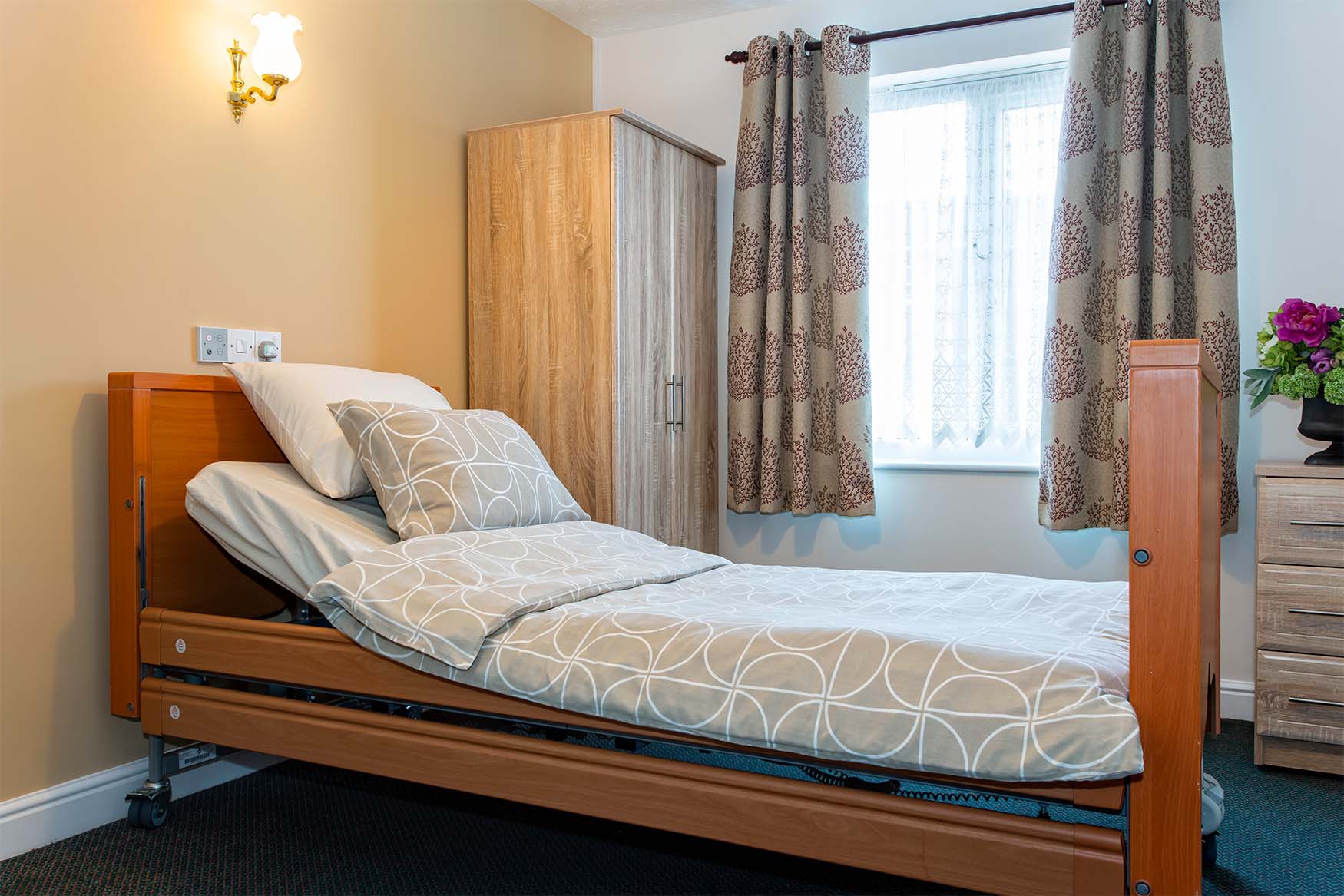
Choosing a care home for a loved one is one of the most important decisions a family can make. Whether you are looking for support following a hospital stay, exploring long-term care options, or planning for future needs, visiting a nursing home in Kent can help you understand what daily life is really like and whether it feels like the right fit.
A brochure or website can provide useful information, but nothing compares to seeing a home in person, meeting the team, and experiencing the atmosphere for yourself. During a visit, asking the right questions can help you make a confident and informed decision.
If you are searching for a nursing home in Kent, here are seven important questions to ask during your tour.
1. What Nursing Care Is Available?
One of the first things to understand is the level of nursing care provided within the home. Every resident has unique needs, and those needs may change over time.
Ask how the nursing team supports residents with long-term health conditions, mobility challenges, medication management, and complex care requirements. It can also be helpful to find out whether registered nurses are available around the clock and how care is monitored and reviewed.
A high-quality care home should provide personalised support that adapts as residents' needs evolve, helping families feel reassured that their loved one is receiving the right level of care both now and in the future.


2. How Are Nursing Care Plans Created and Reviewed?
A nursing care plan is one of the most important parts of a resident's care journey. It provides a detailed framework for how care should be delivered while reflecting an individual's health needs, preferences, routines, and goals.
When visiting a nursing home in Kent, ask how care plans are developed and how often they are reviewed. Families should be involved wherever possible, and residents should always remain at the centre of decision-making.
The best care plans are not static documents. They are regularly updated to ensure support remains appropriate and personalised as circumstances change.
3. How Does the Home Support Continuity of Care?
Many families worry about what will happen if their loved one's care needs increase over time. This is where continuity of care becomes particularly important.
https://hazelwoodcarehome.com/our-care/respite-care/A home that provides a continuum of care can support residents through different stages of their journey without unnecessary disruption. Someone may initially move into a home for short-term respite care, later choose to stay permanently, and eventually require a higher level of nursing support.
Similarly, residents receiving nursing care may later benefit from palliative care services, allowing them to remain in familiar surroundings with the people who know them best.
Continuity of care can help reduce stress and provide valuable stability for both residents and their families.
4. What Is Daily Life Like for Residents?
Excellent nursing care is about much more than medical support. Quality of life matters just as much.
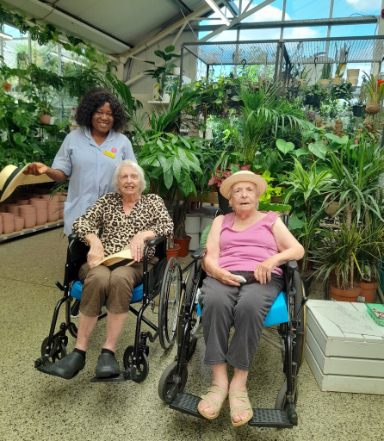
Ask about activities, hobbies, outings, and opportunities for social interaction. Meaningful activities help residents maintain independence, confidence, and a sense of purpose.
Many nursing homes in Kent offer a varied programme of activities that may include arts and crafts, gentle exercise sessions, gardening, live entertainment, community events, and group activities tailored to individual interests.
The most important thing is that residents are encouraged to continue enjoying the things that make them happy.


5. How Are Families Included in Care?
Moving into a nursing home does not mean losing important family connections. In fact, strong relationships between residents, families, and care teams are often at the heart of exceptional care.
Ask how the home communicates with relatives and how families are involved in care planning and reviews. Regular updates and open communication can provide peace of mind and help everyone work together to support the resident's well-being.
Many families also appreciate homes that actively encourage visits, celebrations, and participation in events throughout the year.
6. What Are the Dining and Mealtime Experiences Like?
Food plays an important role in daily life, health, and wellbeing. During your visit, ask about menus, dining arrangements, and how dietary requirements are accommodated.
A good nursing home will offer nutritious, freshly prepared meals while recognising that dining is also a social and enjoyable experience.
Residents should have choices at mealtimes, and the team should be able to adapt meals to suit personal preferences, cultural requirements, allergies, or medical needs.
For many people, mealtimes are one of the highlights of the day, so it is worth taking the time to understand how the home approaches dining.



7. Does the Home Feel Warm and Welcoming?
Perhaps the most important question is also the simplest. How does the home make you feel?
While facilities, services, and care provision are all important, atmosphere matters too. Pay attention to how staff interact with residents, whether people appear comfortable and engaged, and whether the environment feels welcoming and homely.
You should feel comfortable asking questions and spending time exploring the home. A positive first impression often says a great deal about the culture and values of a nursing home.
Finding the Right Nursing Home in Kent
There is no single checklist that can tell you which nursing home is right for your loved one. Every family has different priorities, and every resident has unique needs and preferences.
However, asking thoughtful questions during a visit can help you look beyond brochures and facilities to understand the quality of care, the experience of residents, and the values that shape daily life within the home.
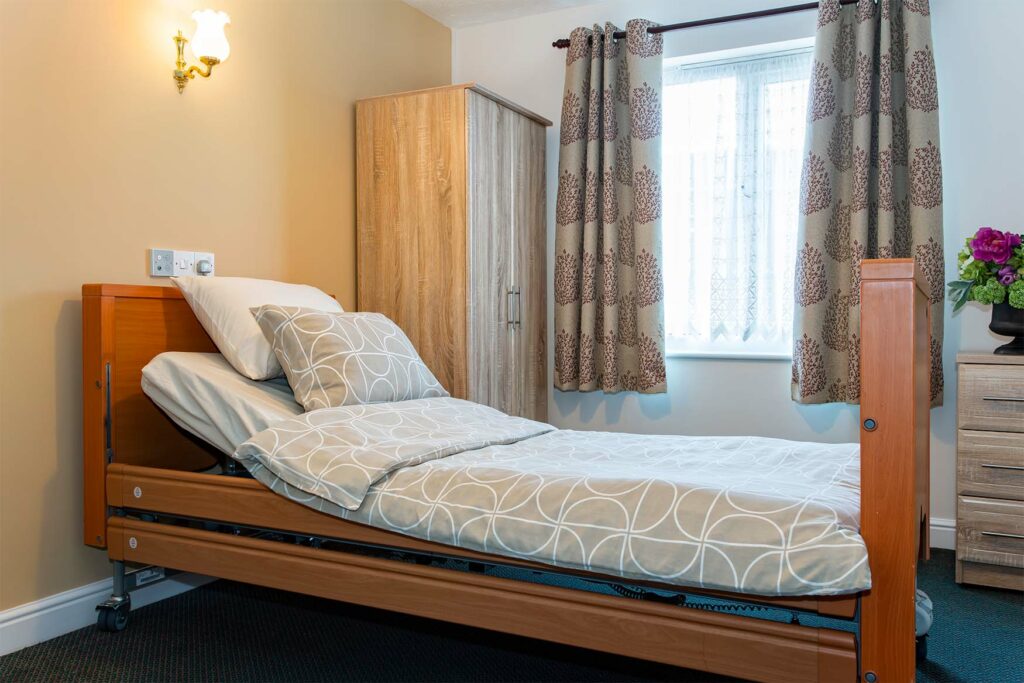
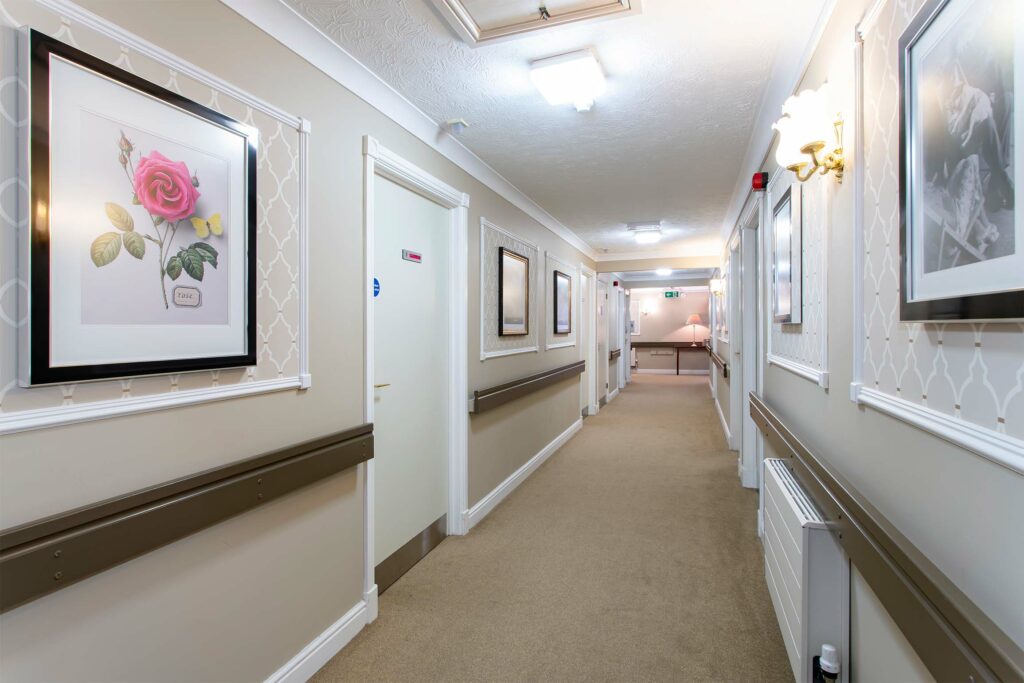

At Hazelwood Care Home in Longfield, Kent, we provide compassionate nursing care, residential care, dementia care, respite care, and palliative care in a welcoming and supportive environment. Our experienced team takes the time to understand each resident as an individual, creating personalised care plans that evolve alongside their needs while supporting continuity of care throughout their journey.
If you are looking for a nursing home in Kent and would like to learn more about life at Hazelwood Care Home, we would be delighted to welcome you for a visit and answer any questions you may have.