Care homes provide a wide range of services to support individuals who need assistance with daily living, healthcare, or specialist conditions. The type of care available can vary significantly between homes, which is why understanding the differences is essential when choosing the right setting for yourself or a loved one.
At Hazelwood Care Home in Longfield, we offer multiple types of care under one roof, ensuring residents receive the right level of support both now and in the future.
What Are Care Services?
Care services refer to the professional support provided to individuals with physical, emotional, or psychological needs. These services are designed to maintain wellbeing, dignity, and quality of life, whether through personal care, nursing support, companionship, or specialist dementia care.
Care can be delivered in various settings, including hospitals, nursing homes, residential homes, and community-based services. Within a care home environment, services are tailored to each resident’s needs and delivered through a personalised care plan that is regularly reviewed and adapted.
Residential Care
Residential care is suitable for individuals who require support with daily living but do not need 24-hour nursing care. This type of care is ideal for older adults who may struggle to live independently but still wish to enjoy an active and social lifestyle.
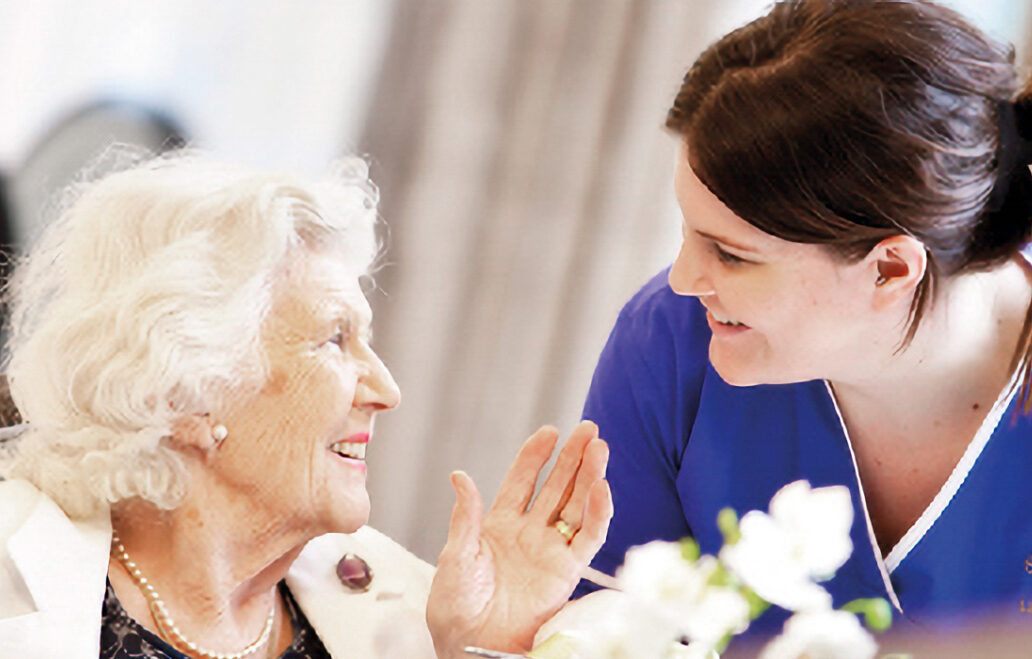
Care assistants support residents with personal care, bathing, dressing, diet management, and medication administration. While complex medical care is not provided within standard residential care, trained staff are available around the clock to monitor well-being and offer reassurance.
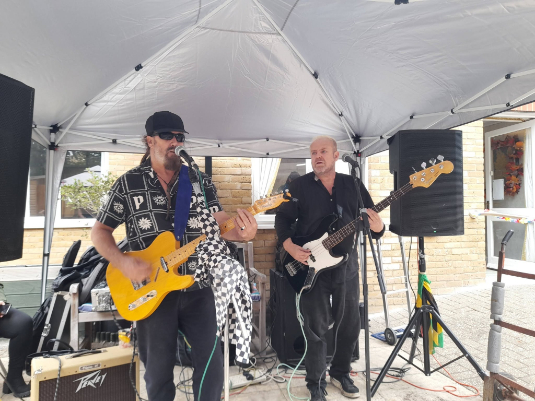
Residential homes provide a safe and secure environment where residents can enjoy companionship and a range of amenities. Many homes offer features such as landscaped gardens, lounges, activity spaces, hair salons, and regular entertainment. This setting helps reduce loneliness while promoting independence.
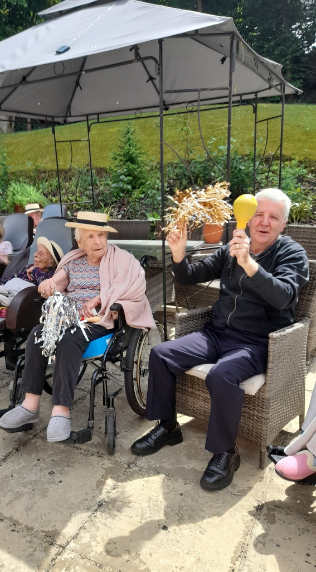
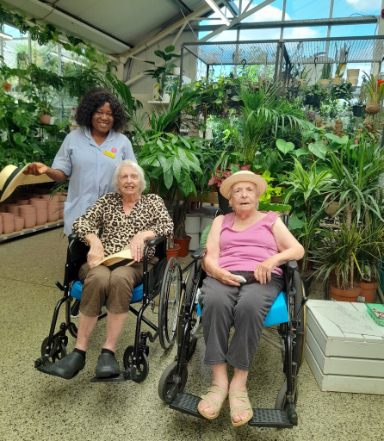
Short-term and emergency respite care may also be available within residential settings. Respite care can support recovery following illness or injury, or provide temporary relief for family carers who need a break.
Nursing Care
Nursing care includes all aspects of residential care with the added support of qualified nurses on site at all times. This level of care is appropriate for individuals with long-term or complex medical conditions that require clinical oversight.
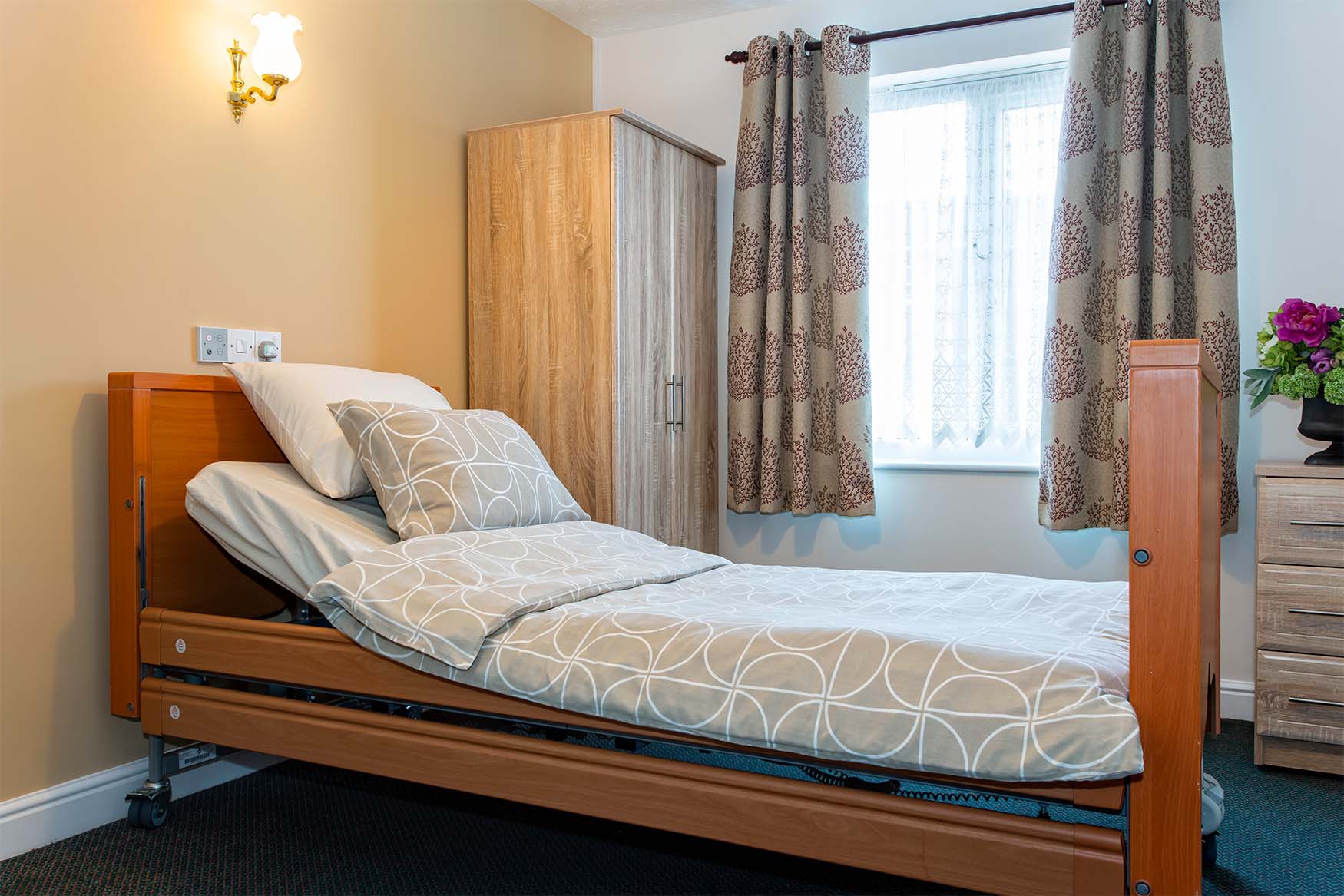
Residents receiving nursing care may need support with mobility, rehabilitation following a stroke, management of chronic health conditions, or specialised interventions such as PEG feeding or injectable medications. Nursing homes are equipped with specialist equipment including profiling beds, pressure-relieving mattresses, and hoists to ensure comfort and safety.
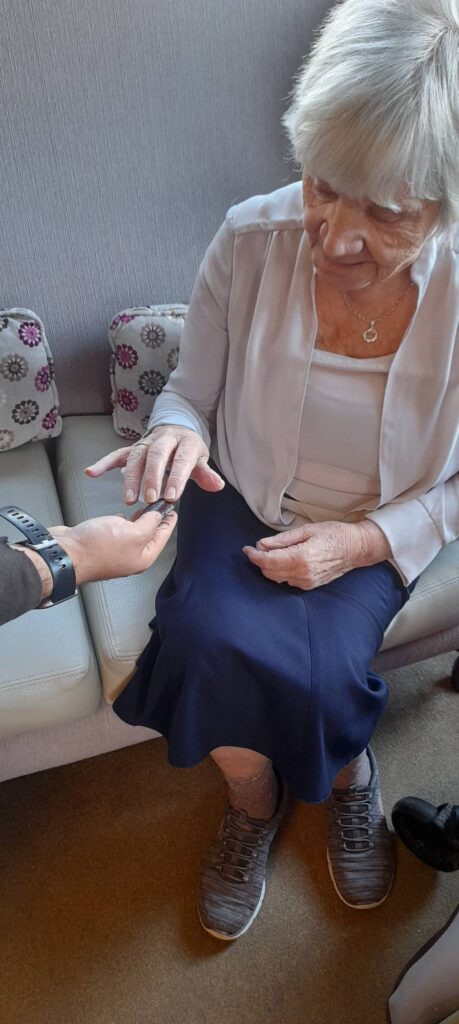
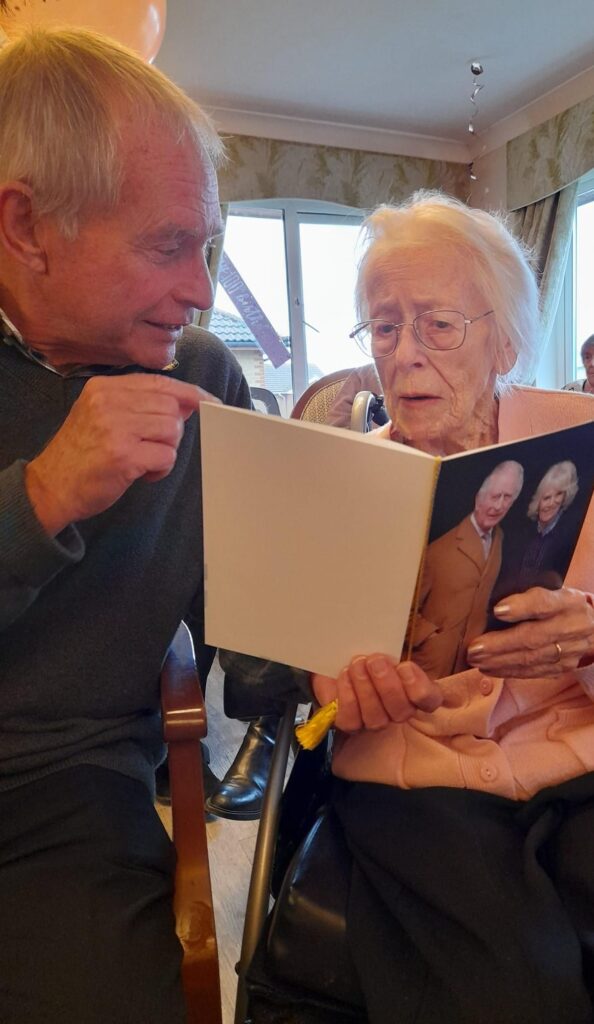
Some nursing homes also provide end-of-life or palliative care, allowing residents to remain in familiar surroundings while receiving compassionate and appropriate clinical support. This forms part of a wider continuum of care, ensuring residents do not need to relocate if their health needs change.
Dementia Care
Dementia care is designed to support individuals living with Alzheimer’s disease and other forms of dementia. This type of care can be delivered within both residential and nursing settings, depending on the level of clinical support required.
Homes that specialise in dementia care are often thoughtfully designed to reduce confusion and promote independence. Features may include clear signage, colour-coded doors, secure gardens, and sensory areas that stimulate sight, touch, and smell.
Staff working in dementia care receive specialist training and regularly update their knowledge in line with best practice guidance. They understand the importance of calm communication, recognising signs of distress, and responding in a reassuring manner. The goal is always to minimise the impact of symptoms while helping residents live a fulfilling and meaningful life.


Dual Registered Care Homes
Dual-registered care homes provide more than one type of care within the same setting, typically offering residential, nursing, and dementia care. This flexibility means residents can remain in the same home even if their needs become more complex over time.
The benefit of dual registration lies in its adaptability. If someone initially moves in for residential care but later requires nursing support, there is no need to relocate. Their care plan is simply adjusted to reflect their changing needs.
This approach ensures continuity, stability, and peace of mind for both residents and families.
The Importance of a Continuum of Care
A continuum of care ensures that residents receive the appropriate support as their health conditions evolve. Care needs rarely remain static, particularly in later life, and having access to multiple services within one home allows for seamless transitions.
Through regular assessments and personalised care planning, residents receive tailored treatment and support based on their medical history and current requirements. This ongoing review process ensures that care remains appropriate, responsive, and centred around the individual.
Care Services Available at Hazelwood Care Home
Hazelwood Care Home in Longfield is a dual registered care home offering residential, nursing, dementia, respite, and end of life care. Each resident is supported by a qualified nurse who carries out a comprehensive assessment and develops a person-centred care plan.
These care plans are continuously monitored and reviewed to ensure residents receive the correct level of support at all times. By offering a full continuum of care, Hazelwood enables residents to remain in familiar surroundings, even if their health needs change.
Our team encourages independence wherever possible while remaining available to provide specialist support, medication management, emergency care, and compassionate clinical oversight.
Who Is Hazelwood Care Home Suitable For?
Our multi-disciplinary approach allows us to support residents with a wide range of needs, including elderly care, physical disabilities, sensory impairments, Alzheimer’s disease, Parkinson’s disease, stroke recovery, epilepsy, cerebral palsy, and complex behavioural needs.
By tailoring care to the individual, we ensure each resident feels safe, valued, and supported.
Talk to a Member of our Friendly Team at The Hazelwood Care Home
Should you have any questions regarding different types of care or the care available at Hazelwood Care Home then we welcome you to contact us. If you would like to get in touch and talk to a member of our healthcare professionals, you can reach us on 01474 573 800 or sending an email to info@hazelwoodcarehome.com.
This blog was updated on Wednesday, March 4th 2026