What Is Residential Care for the Elderly? A Clear Guide for Families

When a loved one starts to need more support in everyday life, families are often faced with difficult and emotional decisions. Many people begin by asking a simple but important question. What is residential care for the elderly, and how does it really work?
A residential care home provides a safe and supportive place for older people who can no longer live independently but do not require ongoing medical or nursing care. It offers help with daily tasks, reassurance, companionship and round-the-clock support, all within a comfortable, homely setting.
For many families, residential care is not about giving up independence. It is about gaining peace of mind and improving quality of life.
What Is a Residential Care Home for Elderly People?
A residential care home for elderly residents is designed to support people with day to day living. This may include help with washing, dressing, mobility, taking medication, preparing meals and maintaining a routine.


Unlike a nursing care, a residential care home does not usually involve registered nurses on site at all times. Instead, care is provided by trained care staff who focus on personal care, wellbeing and emotional support.
Residential care is often the right option for older people who feel isolated, struggle with household tasks, or need regular help but do not have complex medical needs.
When Might Residential Care Be the Right Choice?
Every situation is different, but there are some common signs that residential care may be worth considering.
Some older people begin to find everyday tasks exhausting or unsafe. Others may feel lonely after bereavement or struggle to manage their home. Families may notice changes in confidence, memory or mobility that make living alone more difficult.
Residential care offers reassurance at these moments. Knowing that someone is always nearby, day and night, can make a huge difference to both residents and their families.
Importantly, moving into a residential care home does not mean losing independence. It means having support there when it is needed, while still being encouraged to make choices and enjoy life.
What Support Does Residential Care Provide?
Life in a residential care home is about more than basic assistance. It is about creating a lifestyle that feels secure, social and fulfilling.
Residents receive help with personal care in a respectful and dignified way. Meals are prepared daily, taking into account dietary needs and preferences. Housekeeping and laundry are handled by the home, removing the stress of chores.

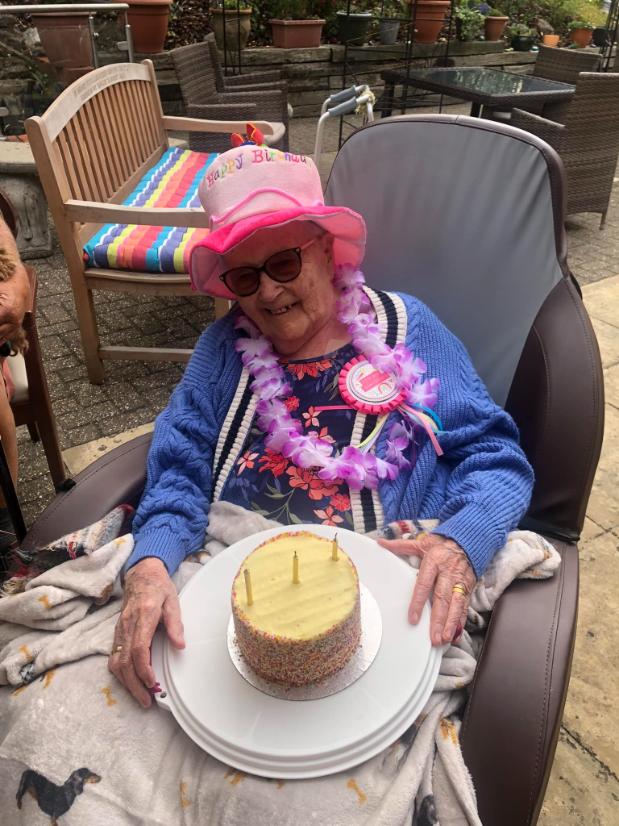
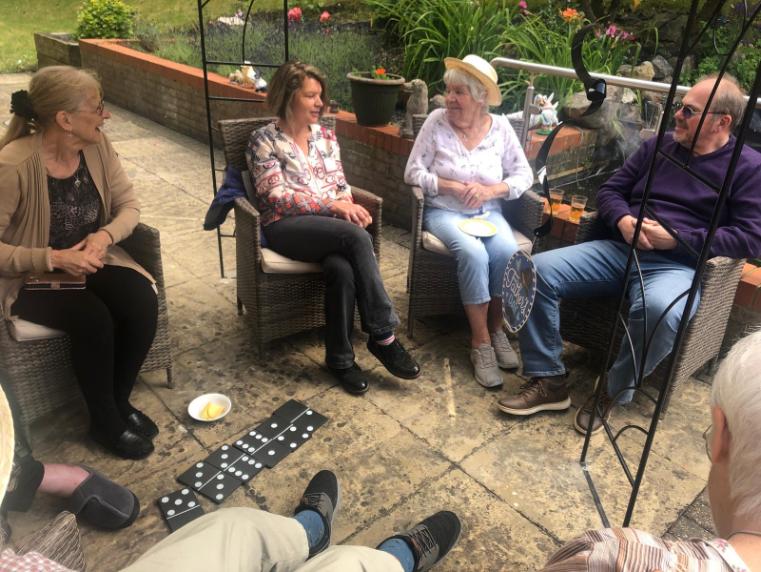
There is also a strong focus on emotional wellbeing. Staff get to know residents as individuals, understanding their routines, interests and life stories. This personal approach helps residents feel settled and valued.
Daily Life in a Residential Care Home
Many families worry that a care home will feel clinical or restrictive. In reality, most residential care homes are designed to feel welcoming and homely.
Residents have their own bedrooms, often personalised with familiar belongings. Shared lounges and dining areas provide opportunities to socialise, relax and enjoy time with others. Gardens and outdoor spaces offer fresh air and quiet moments when needed.
Activities play an important role in daily life. These may include arts and crafts, gentle exercise, games, music, reading, or outings into the local community. Taking part is always encouraged but never forced, allowing residents to choose how they spend their time.
This balance of structure and freedom helps older people maintain a sense of purpose and routine.
The Emotional Benefits of Residential Care
One of the most overlooked aspects of residential care is its emotional impact.
Loneliness can have a serious effect on health and happiness, particularly for older people living alone. Residential care provides daily social interaction, shared experiences and meaningful connections with both staff and fellow residents.


Many residents find their confidence grows once they no longer have to worry about managing everything on their own. Simple things like shared meals, friendly conversations and planned activities can bring comfort and joy back into everyday life.
For families, there is reassurance in knowing that their loved one is not alone and has support whenever it is needed.
Funding Residential Care
The cost of residential care varies depending on location, facilities and the level of support needed. Before moving into a residential care home, a care needs assessment is usually carried out.
Some people may be eligible for financial support from their local authority, while others choose to self fund. Care homes are generally happy to explain fees clearly and talk families through their options.
While cost is an important factor, many families find that the value of safety, wellbeing and peace of mind outweighs the financial considerations.
Choosing the Right Residential Care Home
Finding the right residential care home is about more than ticking boxes. It is about how the place feels.
Visiting in person can be very helpful. Notice how staff interact with residents, how relaxed the atmosphere feels, and whether residents seem comfortable and engaged. Ask questions about activities, meals, routines and how care is personalised.
A good residential care home should feel warm, respectful and calm. It should feel like somewhere you would be happy for your own loved one to live.

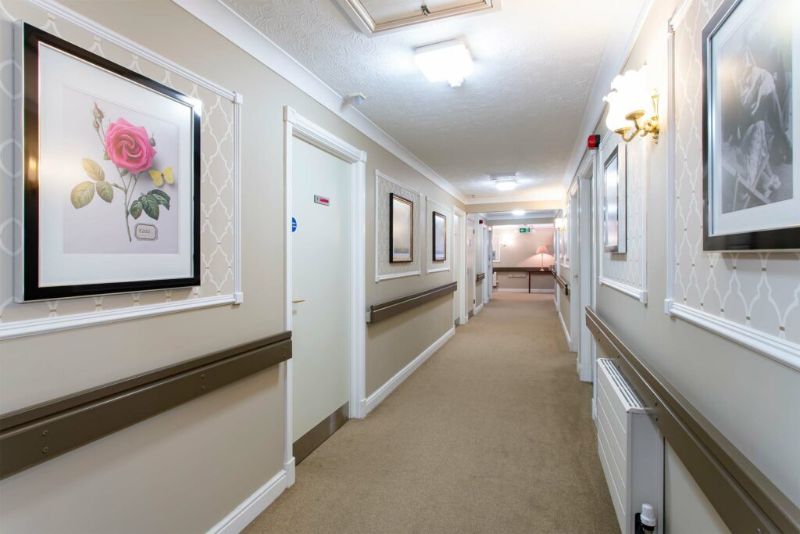

Residential Care at Hazelwood Care Home in Longfield
At Hazelwood Care Home in Longfield, we understand that choosing residential care is a deeply personal decision. Our approach is built around kindness, dignity and genuine relationships.
We provide residential care that supports daily living while encouraging independence, confidence and enjoyment. Our team takes the time to understand each resident as an individual, creating a supportive environment where people feel at home.
From comfortable surroundings and home cooked meals to engaging activities and friendly faces, life at Hazelwood is about feeling safe, valued and connected.
If you are exploring what a residential care home for the elderly can offer, or would like to speak to someone about whether residential care could be right for your loved one, our team is always happy to help.